Benefits of Accomplished Producer Beats for Independent Artists
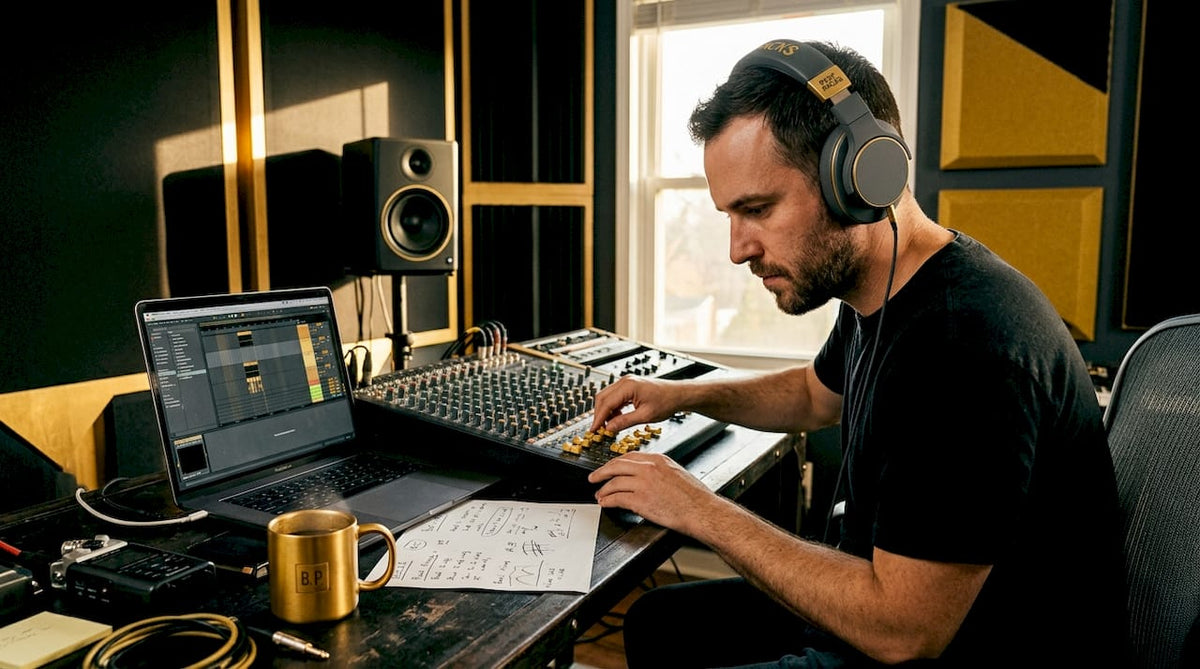
Accomplished producer beats are professionally engineered instrumentals built with technical precision, creative intent, and commercial structure that independent artists cannot replicate with entry-level tools. The benefits of accomplished producer beats go far beyond a polished sound. They include legal clarity, faster workflow, stronger audience connection, and real market competitiveness. In the music industry, where independent artists significantly outnumber signed artists in beat purchasing, the quality of your instrumental is often the difference between a track that streams and one that stalls.
1. How accomplished producer beats improve sound quality
Sound quality is the first thing a listener judges, and professional beats win that judgment before a single lyric lands. Quality preprocessing and structural design in beats can meaningfully improve perceived sound quality, a gap that separates professional releases from amateur ones. That gap shows up in streaming performance, playlist placement, and listener retention.
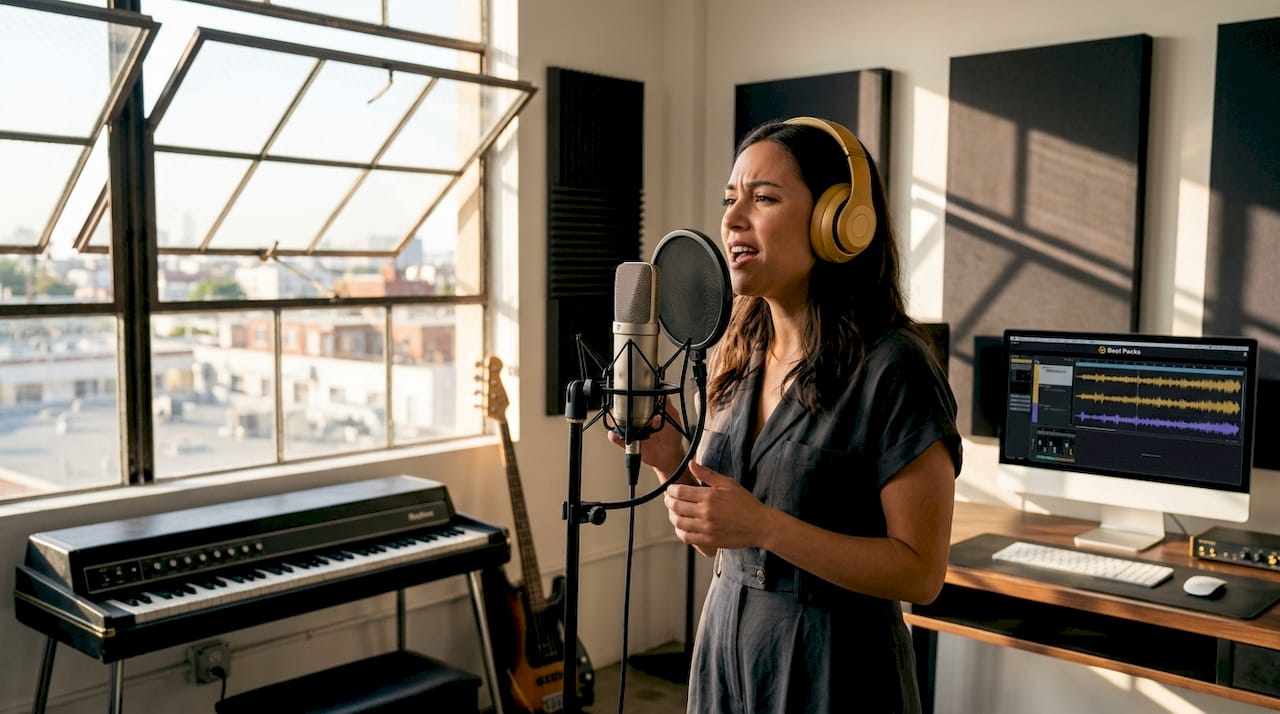
Accomplished producers apply multi-window analysis, proper EQ, and compression during beat construction. The result is a mix-ready instrumental where every element sits in its own frequency space. You spend less time fixing problems in post-production and more time performing.
Here is what that technical advantage delivers in practice:
- Drum clarity: Kick, snare, and hi-hat sit in distinct frequency ranges, so your vocals never compete with the low end
- Melodic distinctiveness: Hooks and chord progressions are arranged to complement vocal phrasing, not fight it
- Structural progression: Verses, pre-choruses, and bridges are mapped out, reducing the editing time you spend rearranging sections
- Mix headroom: Proper gain staging means your final master sounds loud and clean across Spotify, Apple Music, and YouTube
Pro Tip: Before recording vocals on any beat, run it through a BPM and key finder to confirm the tempo and root note. Singing in the wrong key against a professional beat wastes the entire sonic advantage you paid for.
2. What licensing advantages come with professional beats
Licensing is where independent artists lose the most money, and it is also where accomplished producers provide the clearest advantage. Non-exclusive licensing allows producers to sell the same beat to multiple artists, which keeps prices accessible, typically in the $20 to $100 range, while giving you full commercial use rights. Exclusive licenses cost more but lock the beat to your catalog alone.
Understanding the difference protects your revenue. Here is a numbered breakdown of the licensing steps every independent artist should follow:
- Confirm the license type before paying. Non-exclusive means others can use the same beat. Exclusive means only you can.
- Check royalty splits. Producer royalties are commonly a small percentage of net master receipts. Know this number before you sign.
- Request a letter of direction. This document directs SoundExchange and other digital performance royalty bodies to pay the producer their share directly, so you are never caught in a dispute.
- Clarify credit requirements. Most accomplished producers require a production credit. Confirm the exact wording before release.
- Read recoupment terms. Some deals require you to recoup the advance before royalties flow. Contracts should clarify fee structure, credit, recoupment, and royalty payouts upfront.
The most common mistake independent artists make is treating a beat purchase as a simple transaction. It is a legal agreement. Accomplished producers who work through platforms like Beatpacks build transparent licensing into every pack, so you know exactly what you own before you record a single bar.
3. How professional beats accelerate your creative workflow
Time is the resource independent artists waste most, and professional beats with clean drums, distinct melodies, and structured progressions reduce editing time and elevate commercial viability from the first session. When a beat is already mix-ready, you skip the troubleshooting phase entirely.
The workflow advantages stack quickly:
- Ready-to-use BPM and key metadata means you can match beats to your vocal range without guessing or re-tuning
- Structured arrangement gives you a clear map of where verses, hooks, and bridges fall, so you write to the beat instead of fighting it
- Producer tags and stems from accomplished producers often include separated tracks, letting you adjust individual elements without rebuilding the entire mix
- Reduced revision cycles mean you finish tracks faster and release more consistently, which is the single biggest driver of streaming growth for independent artists
Tools like BPM and key finders, producer tag generators, and stem separators all work better when the source material is professionally constructed. Garbage in, garbage out applies to music production as much as it does to data science.
4. How accomplished beats support your market competitiveness
The music market in 2026 rewards artists who sound like they belong on a playlist next to signed acts. Human-made sound tends to drive stronger emotional connection and build brand identity more effectively than generic or AI-generated content. That has direct implications for how you position your music.
| Factor | Amateur beats | Accomplished producer beats |
|---|---|---|
| Emotional connection | Weak, generic feel | Strong, intentional sonic identity |
| Playlist eligibility | Often rejected by curators | Mix-ready for editorial consideration |
| Sync licensing potential | Rarely cleared | Proper licensing enables TV and film placement |
| Brand consistency | Inconsistent sound across releases | Cohesive catalog that builds artist identity |
| Streaming retention | Listeners drop off early | Structured arrangements hold attention longer |
Sync licensing is a revenue stream most independent artists ignore because they assume it requires a label. It does not. It requires a clean master, a clear license, and a beat that sounds professional enough for a music supervisor to consider. Accomplished producer beats check all three boxes. Independent artists prioritize solid, professional-quality beats as foundational to scaling their careers, and the sync market rewards exactly that foundation.
5. What to consider when choosing beats from accomplished producers
Choosing the right beat is a creative and business decision at the same time. Genre fit comes first. A trap beat built for Atlanta radio does not serve a singer-songwriter recording acoustic-influenced R&B, regardless of how well it is produced. Match the beat's energy, tempo, and instrumentation to your existing catalog before you evaluate anything else.
After genre fit, evaluate these factors:
- Producer reputation: Look for credits on released tracks, streaming numbers, or Billboard placements. Beatpacks features beats from Mini Producer, a Billboard-charting producer whose credentials are verifiable.
- Licensing terms: Confirm whether the license covers streaming, YouTube monetization, and live performance. Some non-exclusive licenses restrict one or more of these.
- Exclusivity cost vs. benefit: Exclusive beats cost more, but they protect your sonic identity if the beat becomes a signature sound for your brand.
- Contract clarity: Exclusive beats must include specific contract details to protect your performance royalties. Vague agreements cost artists real money.
Pro Tip: When you are working within a tight budget, buy two or three non-exclusive beats from the same accomplished producer rather than one exclusive beat from an unknown source. Catalog consistency and producer credibility matter more than exclusivity at the early stages of your career.
The value of experienced music producers is not just in the sound they deliver. It is in the legal clarity, the professional credibility, and the reduced friction they bring to every step of your release process.
Key takeaways
Accomplished producer beats deliver measurable advantages in sound quality, legal protection, workflow speed, and market positioning that amateur productions cannot match.
| Point | Details |
|---|---|
| Sound quality advantage | Professional preprocessing improves perceived quality, directly affecting streaming performance. |
| Licensing clarity | Contracts should specify royalty splits, credit, recoupment, and performance rights before you record. |
| Workflow efficiency | Structured, mix-ready beats reduce editing time and let you release tracks faster and more consistently. |
| Market competitiveness | Human-made beats tend to drive stronger emotional connection, supporting playlist placement and sync licensing. |
| Producer selection | Match genre fit, verify producer credentials, and read every licensing term before purchasing. |
Why I think most independent artists underestimate the contract side
I have watched talented artists lose streaming revenue not because their music was bad, but because their beat contract was vague. The production quality was there. The performance was there. But the letter of direction was missing, and SoundExchange had no instruction on where to send the producer's share. The result was a dispute that froze the artist's account for months.
The conversation around the advantages of top producer beats almost always focuses on sound. That is fair. A great beat sounds better, performs better, and opens more doors. But the legal architecture underneath that beat is what determines whether you actually get paid when the streams roll in. Trust between artists and producers matters, but trust without a clear written agreement is just optimism.
What I have found after years of working with independent artists is that the producers worth working with are the ones who make the paperwork easy, not the ones who make it complicated. When a producer hands you a clean license, a clear royalty split, and a letter of direction without you having to ask, that is a signal of professionalism that goes beyond the beat itself. Beatpacks was built around exactly that standard. Every pack comes with producer credentials you can verify and licensing terms you can understand without a lawyer.
The artists who grow fastest are not always the most talented. They are the ones who treat every beat purchase as a business decision and every producer relationship as a long-term partnership.
Jay
Start building with beats that match your ambition

If you are ready to move past generic instrumentals and work with production that actually competes at a commercial level, Beatpacks is built for exactly that. Every pack in the Beat Packs collection is crafted by accomplished producers, including Billboard-charting producer Mini Producer, with transparent licensing included. Whether you need something session-ready for your next recording block or a full bundle to anchor your release calendar, the Session Ready Vol. 1 + Self Made Classic Bundle gives you production-ready beats and artist resources in one package. No guesswork on licensing. No compromises on quality.
FAQ
What are the main benefits of accomplished producer beats?
Accomplished producer beats deliver superior sound quality, clear licensing terms, and structured arrangements that reduce production time. They also improve your chances of playlist placement and sync licensing opportunities.
How much do professional beats typically cost?
Non-exclusive professional beats are typically priced between $20 and $100, while exclusive licenses cost significantly more depending on the producer's catalog and reputation.
What is a letter of direction in a beat contract?
A letter of direction is a document that instructs SoundExchange and other royalty bodies to pay the producer their digital performance royalty share directly. Without it, royalty disputes can delay or block your streaming revenue.
Do independent artists really need exclusive beats?
Not always. Non-exclusive beats from accomplished producers offer commercial use rights at a fraction of the cost. Exclusivity becomes worth the investment when a beat defines your signature sound or anchors a major release.
How do professional beats affect streaming performance?
Professional beats with proper EQ, compression, and structural design improve perceived sound quality, which directly affects listener retention and playlist eligibility on platforms like Spotify and Apple Music.