How to Release Music Without a Record Label: What the Industry Won't Tell You
The record label model was never designed to benefit the artist. It was designed to provide capital, distribution, and promotion in exchange for ownership over the artist's work and a significant portion of their revenue. For decades, there was no alternative. You needed the infrastructure the label provided, so you accepted the terms.
That situation has changed. The infrastructure now exists outside the label system, and artists who understand how to use it are building careers that they own entirely. This is what that looks like in practice.
Why the Label Model Made Sense Before and What Changed
Labels provided three things that artists genuinely could not access independently: recording resources, distribution to physical retail, and marketing muscle. All three of those barriers have either collapsed or become accessible without institutional backing.
Recording equipment that used to cost hundreds of thousands of dollars is now available for a few hundred. Digital distribution puts your music on Spotify and Apple Music within days of finishing a track. Marketing, while still requiring resources, is now primarily executed through platforms where follower count and content quality matter more than a label's paid promotion budget.
The label's remaining advantage is capital and relationships. They can fund a larger operation, get into rooms that independent artists cannot, and put resources behind a release that independent artists cannot match. But those advantages apply to a specific phase of career development that most artists are years away from needing. At the beginning and middle stages of an independent career, the label's model takes more than it gives.
The Infrastructure You Need to Release Independently
To release music without a record label in 2026, you need five things. Production, recording, mixing and mastering, distribution, and a marketing presence. None of these require institutional backing.
Production is the foundation. It determines the quality ceiling of everything that comes after it. Production from the Beat Packs catalog gives you Billboard-level production quality at a price point that does not require label funding. The entire catalog, from the Taste Test entry point to the full volumes like Blessed Vol. 1, Blessed Vol. 2, and Icon Vol. 1, was built specifically for independent artists who are building careers without institutional support.
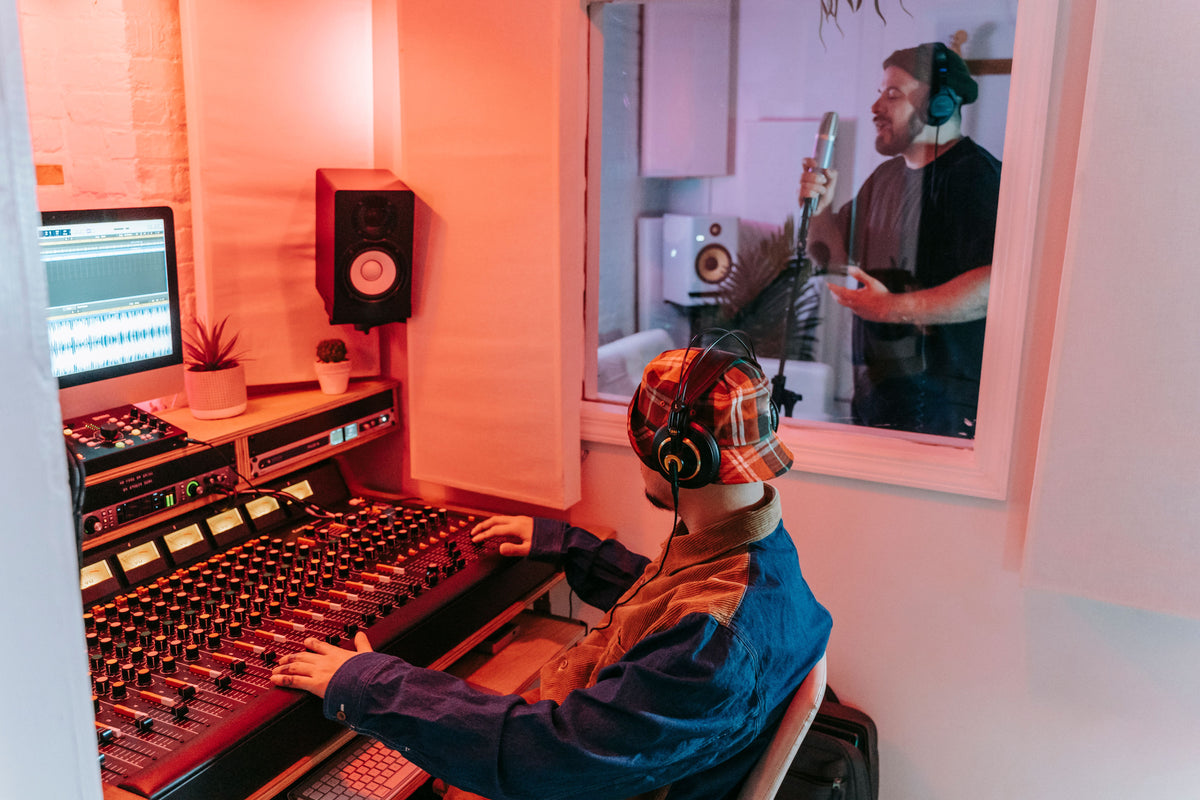
Recording can happen in a home setup. A $300 microphone, interface, and headphone combination in a treated room produces audio that a skilled engineer can work with. If you do not have a home setup, session time at a recording studio runs $50 to $150 per hour in most markets, and you can record a solid track in two hours with preparation.
Mixing and mastering are where your raw recording becomes a finished record. Budget accordingly. A mixing engineer who charges $100 to $200 per song and has a portfolio of work that meets your quality standard is worth every dollar. Mastering through a reputable service runs $20 to $50 per track.
Distribution through DistroKid, TuneCore, or CD Baby puts your music on every major streaming platform for $20 to $35 per year. There is no longer any reason not to be on streaming platforms from your first release.
Marketing presence is your social media, your content, and your consistency. This is where the independent path requires the most discipline, because there is no marketing department behind you. You are the marketing department, and showing up consistently is what compounds over time.
What Labels Actually Do That Is Hard to Replace
It is important to be honest about what you lose by going independent. Playlist editorial consideration from major streaming platforms has historically been easier to access with label support. Radio is still largely a label-access world. Certain industry relationships, sync placement pipelines, and promotional partnerships are easier to reach with a label behind you.
But most of these advantages apply to artists who have already built something substantial independently. Playlist pitching is available to independent artists through SubmitHub and direct outreach to independent curators. Sync opportunities are increasingly going to artists who have verified rights to their production, which independent artists who own their masters have in a way that label-signed artists often do not.
The thesis is not that labels are bad and independence is always superior. The thesis is that at the stage of career development where most independent artists are right now, the label model requires you to give up more than you get. Build independently first. Create leverage. Then make decisions about institutional partnerships from a position of strength rather than desperation.
Owning Your Masters and Why It Matters Long-Term
When you record over beats you have licensed with unlimited rights, you own the recording. You own the master. The producer retains the underlying composition copyright in the beat, but the recorded performance, the thing that gets distributed to streaming platforms, is yours.
Master ownership matters for several reasons. Sync licensing income flows to the master owner. Revenue from streaming flows to the master owner. The ability to license your catalog, issue samples, or sell your recorded work in the future all depend on master ownership.
Artists who signed traditional label deals in previous eras often spent years in legal battles trying to reclaim their masters. Taylor Swift re-recorded her entire early catalog for that reason. When you release independently with the right production licensing underneath your recordings, you build a catalog you actually own. That catalog has real financial value that compounds over the course of a career.
The Release Strategy That Works Without a Label
Release consistently on a schedule your audience can anticipate. Build the habit of releasing before it feels urgent. Single releases every four to six weeks maintain algorithmic presence and audience engagement without requiring the full machinery of an album campaign.
Develop a pre-release content strategy. In the two weeks before a release, share the creative process. Behind the scenes in the studio. Lyric breakdowns. Story behind the concept. This kind of content builds anticipation and gives your audience a reason to care about the release before they have heard it.
After release, push the song actively for at least 30 days. Pitch to independent curators. Share across all your platforms consistently. Encourage your existing audience to share. The streaming platforms' algorithmic systems reward engagement in the first 30 days of a release more heavily than at any other point.
The Point of All of This
The goal of releasing music independently is not just to have music out. It is to build a body of work that grows an audience, generates revenue, and creates opportunities that either sustain an independent career or create the leverage to approach institutions on your own terms.
That goal is achievable without a label in 2026. The tools exist. The distribution exists. The production is accessible. What it requires is consistency, strategic thinking, and the willingness to do the work without a safety net.
The Beat Packs catalog exists to remove one of the most significant barriers on that path, which is access to professional production at a price that makes sense for where you are. Start with the Taste Test, find the sound that fits your creative direction, and build from there.
For real talk on the business and creative side of building an independent music career, drop your email below.