How to Master a Song for Streaming Platforms in 2026
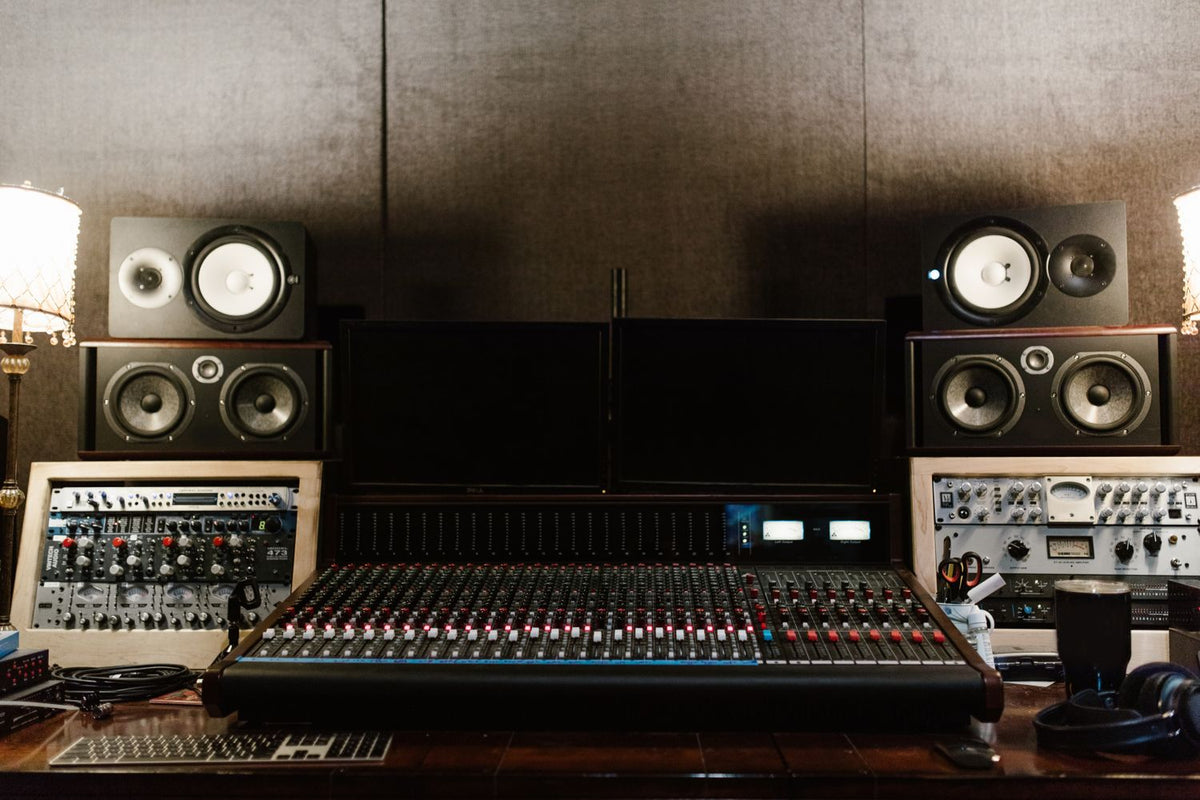
Mastering is the final step before distribution, and the step most independent artists either skip entirely or do incorrectly. A properly mastered record translates consistently across all playback systems. An unmastered record sounds different on every system, often in unflattering ways.
Why Streaming Platforms Have Loudness Targets
Every major streaming platform uses loudness normalization. The targets: Spotify approximately negative 14 LUFS. Apple Music approximately negative 16 LUFS. YouTube approximately negative 14 LUFS. If your master is louder the platform turns it down. Mastering louder than the target does not make your music louder on streaming, it just reduces dynamic range for no benefit.
The Mastering Chain
EQ: Broad tonal adjustments to balance frequency content. Mastering EQ is subtle, you are correcting imbalances.
Compression: Gentle compression at 1.5 to 1 or 2 to 1 ratio to glue the mix and even out dynamics.
Limiting: Set your limiter ceiling to negative one dBTP to comply with streaming true peak requirements.
Loudness metering: Target negative 14 LUFS integrated for most streaming platforms.
Self-Master or Hire a Professional
Modern tools like iZotope Ozone, FabFilter Pro-L 2, and Waves Abbey Road TG Mastering Chain make self-mastering viable for consistent releases. For major releases or sync pitches, hiring a professional is worth the cost.
Final Verdict
Hit negative 14 LUFS with a negative one dBTP ceiling and your master translates correctly across every streaming platform. Build your production foundation at beatpacks.shop.