How to Record Clean Vocals at Home Without a Treated Room
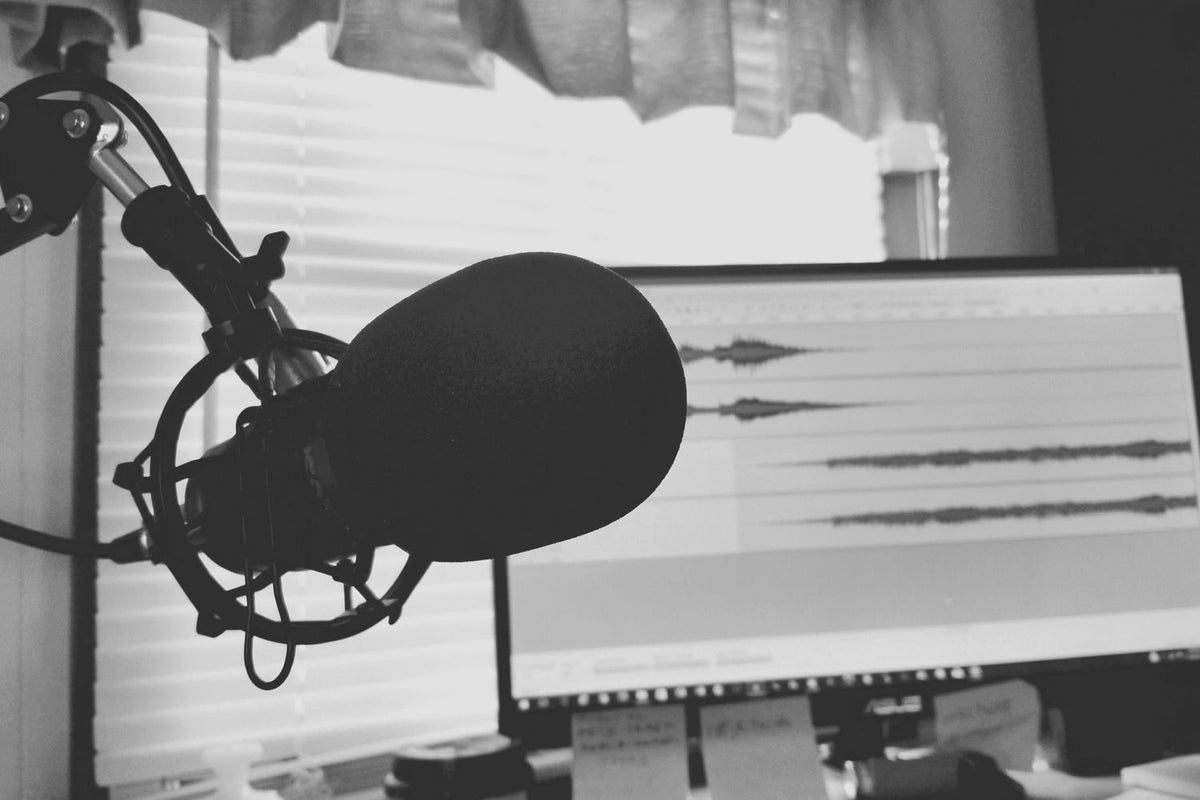
Most independent artists aren't recording in a treated studio, and that's fine. A treated room helps, but it's a long way from required to get a clean, usable vocal take at home.
Why Untreated Rooms Cause Muddy Vocals
Hard, parallel surfaces, bare walls, windows, hardwood floors, bounce sound back into the mic, creating reflections that muddy the recording. It's not the room being loud, it's the room adding sound that wasn't part of your performance.
Cheap, Fast Fixes: Closets, Blankets, Positioning
A closet full of clothes is one of the most effective free vocal booths available. Hanging blankets or moving covers around your recording space absorbs reflections without spending anything on treatment. Positioning yourself away from bare walls and corners makes an immediate difference too.
Mic Distance and Off-Axis Rejection
Getting closer to the mic increases the ratio of your direct voice to room noise. Many cardioid mics also reject sound from the sides and rear better than from the front, so understanding your mic's pickup pattern helps you use the room to your advantage.
Gain Staging Basics That Prevent Clipping
A clean recording starts with proper gain, not too hot, not too quiet. Set levels so your loudest moments peak comfortably below clipping, leaving headroom for the mix stage later. This matters more in an untreated room, where you don't want to compensate for noise by cranking the input.
What You Can Fix Later in the Mix vs. What You Can't
EQ and noise reduction can clean up some room character after the fact, but they can't fully remove heavy reflections or add clarity that was never captured. Getting the source as clean as possible during recording will always outperform fixing it afterward.
Once your vocal is clean at the source, the Session Ready pack gives you a Mix Prep & Session Cheat Sheet built to help you carry that clean recording through the rest of your session with fewer rookie mistakes.
Frequently Asked Questions
Do I need acoustic panels to get a usable vocal recording?
No. Soft, irregular surfaces like closets full of clothes, blankets, and rugs can meaningfully reduce reflections without any dedicated acoustic treatment.
How close should I be to the mic to reduce room noise?
Closer than you might think, typically six to twelve inches depending on the mic, adjusted to avoid excessive plosives or proximity boom.
Related: Mic Placement Basics Every Independent Artist Should Know.