How to Start a Rap Career Independently in 2026: The No-Label Blueprint
The conversation around starting a rap career has changed dramatically over the last decade, and most of the advice that is still circulating online has not kept up. The old blueprint was about getting a label deal, finding a manager, getting into the right rooms. The new blueprint is about building something real on your own terms before anyone else has a say in what it becomes.
This is what that actually looks like in practice in 2026.
The First Thing to Get Right Is Your Sound
Before you think about strategy, platforms, or release schedules, you need to know what you sound like. Not what you want to sound like, not what your favorite artists sound like. What you actually sound like when you get in front of a microphone with the right production and let yourself create without overthinking.
Most artists spend years trying to sound like someone else before they find out that their most compelling material comes from sounding like themselves. The shortcut to that discovery is recording volume. Record a lot. Record over different production styles. Record in different emotional states. Record when you have a clear concept and record when you have nothing and you are just improvising.
Pattern recognition happens when you listen back to a large body of work and notice which recordings feel the most alive, the most honest, the most distinct. That is your sound, showing up in the work. Follow that direction.
The Dirt Roads and 808s pack from Beat Packs is designed for artists who want production with a specific cultural and regional identity. If your sound is rooted in something particular, a place, a community, an experience, production that carries that same specificity will unlock the most authentic version of what you have to say.
Recording Setup: What You Actually Need to Start
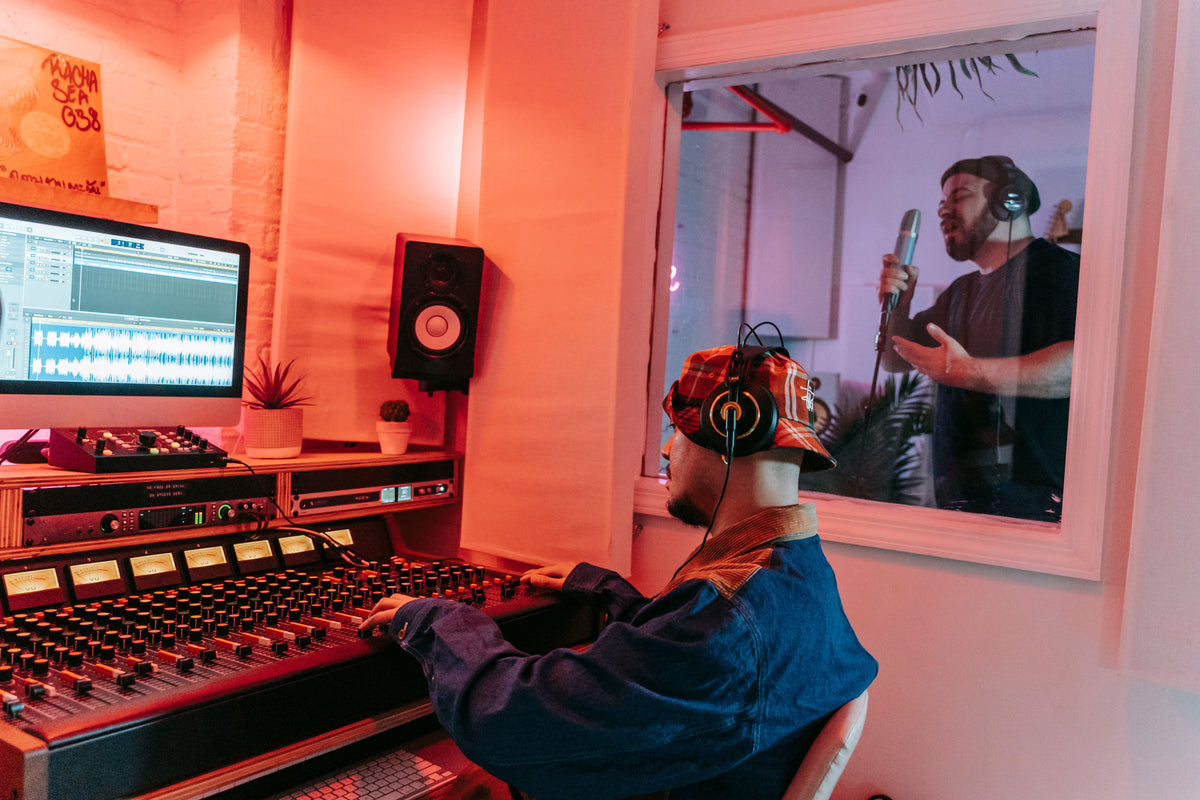
You do not need a professional recording studio to start building your career. You need a quiet space, a decent microphone, an audio interface, and a computer. The total cost of a setup that produces recordable audio is $200 to $400.
A large-diaphragm condenser microphone in the $100 to $150 range will get the job done for demos and scratch recordings. An audio interface like the Focusrite Scarlett Solo costs around $120 and gives you a clean signal chain. Add a pair of studio headphones and a pop filter and you can record in your bedroom or a closet and produce audio that a mixing engineer can work with.
Home recording is not an excuse for low quality in 2026. Artists have built entire careers from bedroom setups. What makes the difference is the quality of the production you record over and the quality of the mixing that happens after. Get your home setup functional and invest the rest of your budget in the elements that determine how the finished product sounds.
Beat Licensing and Why It Matters From Day One
One mistake a lot of artists make early in their career is not thinking about licensing because the stakes feel low. They are not releasing music widely yet, they are not making money from it, so it feels like licensing does not matter until later.
The problem is that habits formed early persist. An artist who gets comfortable recording over beats without cleared licensing will eventually release something with a liability attached to it, and that liability shows up at the worst possible moment, usually when the music starts getting attention.
Get your licensing right from the beginning. Use production with clear terms that cover what you are doing with the music, even if that is just releasing on streaming platforms and posting on social media. The Dirt Roads and 808s pack and everything else in the Beat Packs catalog comes with licensing terms designed for independent artists who are building real careers, not hobbyist projects.
Distribution: Getting Your Music on Streaming Platforms
Distribution to streaming platforms is genuinely accessible now. Services like DistroKid, TuneCore, and CD Baby allow independent artists to release music to Spotify, Apple Music, Tidal, Amazon Music, and dozens of other platforms for a flat annual fee or a small per-release cost.
DistroKid is $22.99 per year for unlimited releases. At that cost, there is no reason not to be on streaming platforms from your first release. Every song you record and finish should be going up. The catalog you build on streaming platforms is cumulative in how algorithms surface your work. Consistent releases over time build a profile that gets your music in front of more listeners.
The priority is quality over quantity, but quality at a sustainable release pace. Two to four songs per month from a consistent artist with a clear sound will outperform one song per quarter from an artist who only releases when everything is perfect.
Social Media as a Career Tool, Not a Distraction
Social media is where independent artists build audiences now. Not by going viral once, but by showing up consistently in a way that demonstrates their personality, their craft, and their growth over time. Authenticity is not optional. Audiences in 2026 have extremely sharp detectors for content that is performed rather than genuine.
Pick the platforms that fit your natural mode of communication. If you are good on camera and quick with ideas, TikTok and Instagram Reels are the highest-leverage platforms right now. If you are better in long-form, YouTube gives you a place to build a deeper connection with a smaller but more committed audience. If your strength is in real-time connection, Twitter and live streams let you build community around your process.
Do not try to be everywhere simultaneously without resources to do it well. One platform done well will do more for your career than five platforms done poorly.
The Mindset That Actually Produces Results
The artists who build real independent careers share a set of characteristics that have nothing to do with talent and everything to do with how they approach the work. They release music before it feels completely ready. They take feedback seriously without letting every opinion derail their creative direction. They show up consistently even when results are not visible. They think in terms of years, not months.
The independent path is longer than the label path was in its era, but it is more durable. What you build independently is yours in a way that label deals rarely allow for. The catalog, the audience, the brand equity all stay with you.
Start building it now. Not when the setup is perfect, not when the right opportunity appears, not when you have more money or more time. The artists who make it are the ones who start before they are ready and adjust as they go. That is the only blueprint that actually works.
If you are building your rap career independently and want production that meets a professional standard, start with the Dirt Roads and 808s pack or the Taste Test. Drop your email below for resources, pack announcements, and insight from inside the industry.
Related Reading